This volume is a collection of diverse works, from comics, illustrations and collages to essays about personal experiences, poems, short stories or analytical articles created by women, trans, queer* and non-binary individuals. Thirty-six people from various locations in Siberia and the Far East participated in the creation of the zine, including Biysk, Krasnoyarsk, Novokuznetsk, Khabarovsk, Chita, Novosibirsk, Barnaul, Tyumen, Vladivostok, Chelyabinsk, Tomsk, Irkutsk, Omsk, Kemerovo, Ulagan, and Sovetsky.
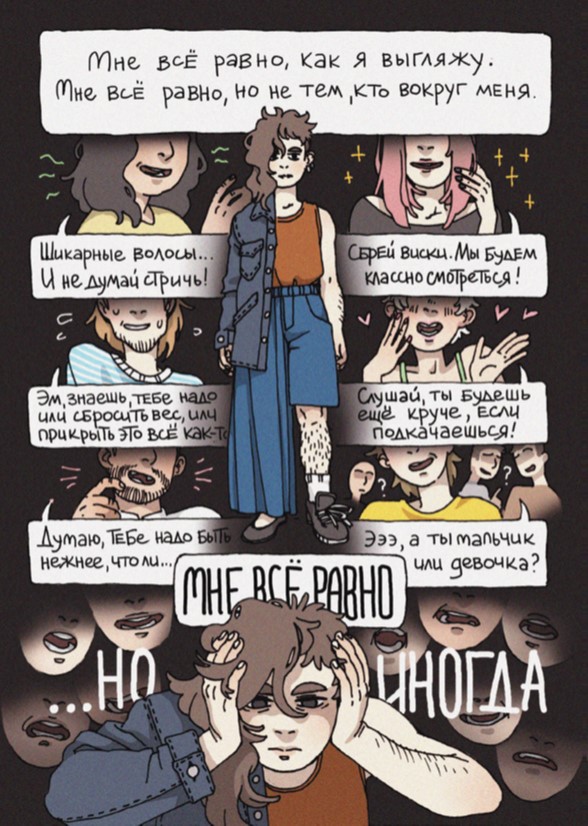
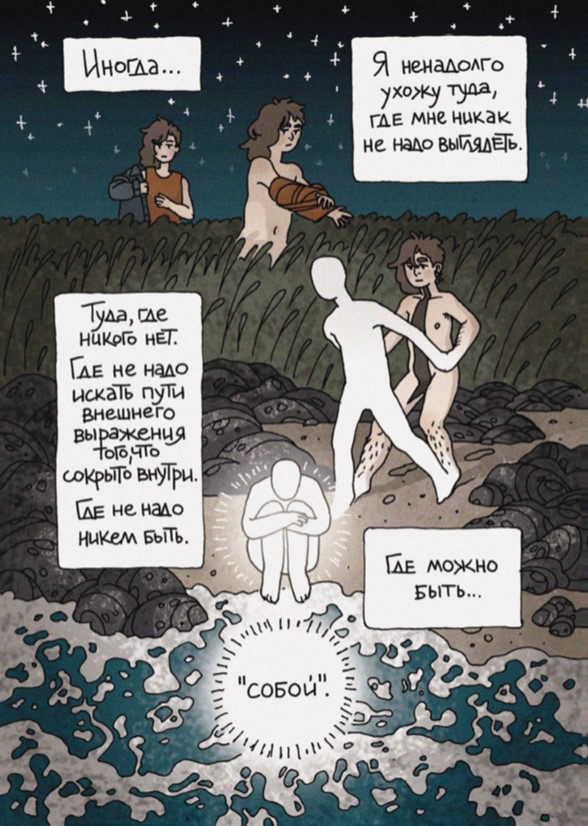
The zine is a collection of diverse experiences that transcended the boundaries of cisheteronormativity and patriarchal societal expectations. Its aim is to make the queer and feminist experiences of the inhabitants of Siberia and the Far East visible. The theme was (un)safety, partly due to the current political and epidemiological situation. The aim of the initiative was to make the zine a safer space than the world around it. Self-care is another important theme of the volume. It is a meaningful stage of recognising one’s worth regardless of achievements, especially for burned out activists and workers.
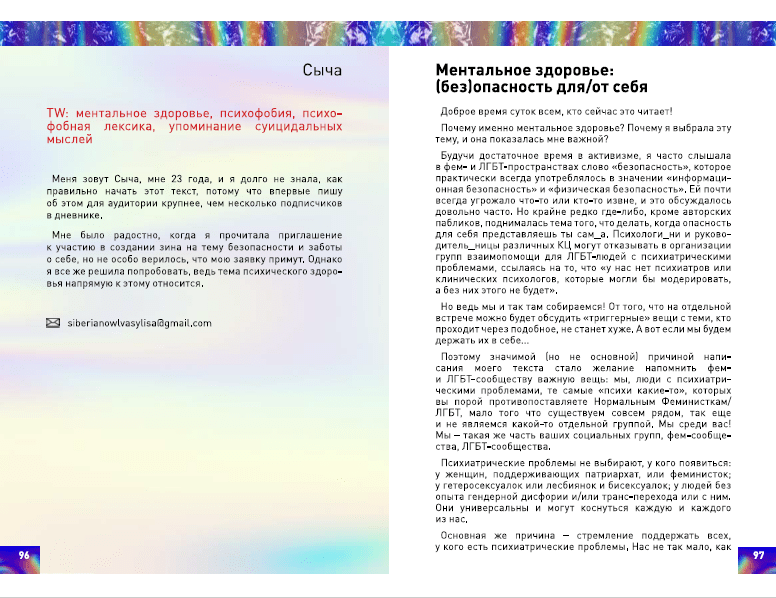
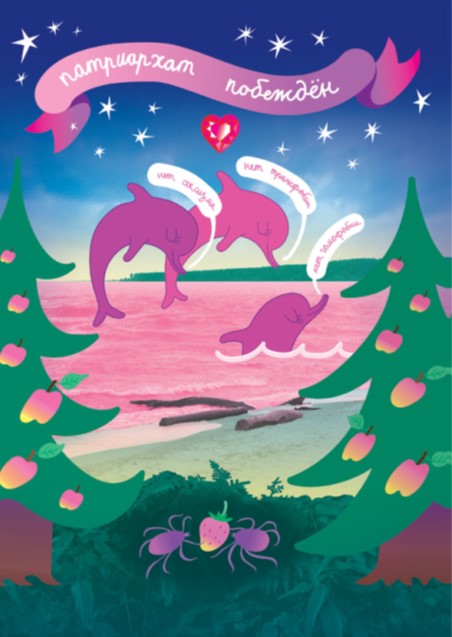
The zine was created as a collaboration between the Magic Closet and the Siberian Queer Feminist Initiative, a collective of activists who, since 2015, have been creating spaces where queer people and feminists can see each other, discuss pressing issues and their experiences in a (safer) environment, and find like-minded people. The zine was created with the financial support of the Rosa Luxemburg Foundation.
The last text of the volume addresses the pressure of the visibility paradigm and the author’s conscious choice of staying in the closet and discusses the consequences of this decision in great detail.
“I am Lada, I was born in the Far East and have been living here all my life. I am bisexual. I realized it when I was 12, I accepted it when I was 25. I am over 30 now, I have always kept my sexuality a secret, and most likely I will continue to do so. This is my conscious choice that is often criticized in the LGBT community, especially in LGBT and feminist activist circles. This text is an attempt to explain why this happened to me and people around me and why relative invisibility is our main strategy for being safe.”
The corner where the closet is standing. Lada Bigun, p. 164.
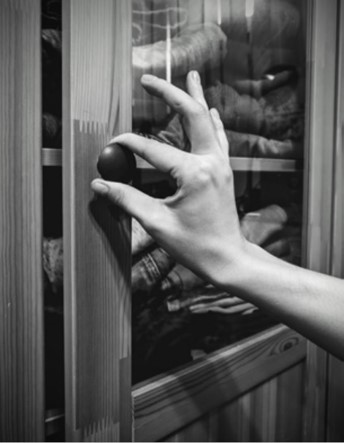
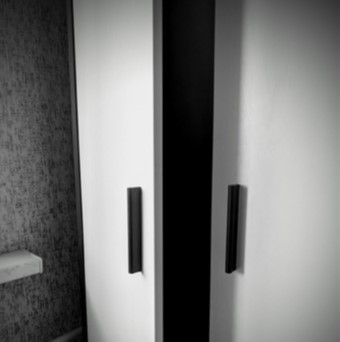
„Anna is not bisexual or an ‚experimenting straight‘. She is a lesbian. A lesbian who has a husband and two kids. So do most of her exes (I was actually quite impressed by their number). They all live behind a facade of a socially acceptable heteronormative family and love each other secretly. And they are very, very good at hiding.“
The corner where the closet is standing. Lada Bigun, p. 175
„Very soon I learned the reasons why. I was introduced to Larisa, who was blackmailed, and when she did not play by the rules, she was outed at work. She was fired. I was introduced to Irina, whose ex-husband and ex-mother-in-law took her kids away from her when they found out she was living with her girlfriend. These were not stories you would hear on the news or see in „Carol“ anymore. I looked these women in the eye.“
The corner where the closet is standing. Lada Bigun, p. 175
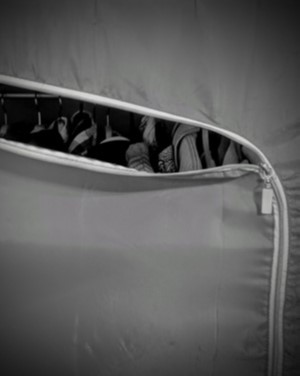
 The Magic Closet and the Dream Machine Archive